Commitment Issues: Why Someone Pulls Away Just As Things Get Serious
Everything was going well. That is usually how people describe it to me. Then a holiday was planned, or a family member was mentioned, or somebody used the word future, and the temperature dropped.
If you are the one waiting, the confusing part is that nothing went wrong. There was no fight. The closeness was real. And then it started being managed.
| QUICK SUMMARY
Commitment issues describe a pattern where someone wants a relationship and cannot let it deepen, so closeness is followed by retreat. It is usually driven by fear rather than indifference, and the fear is often about being trapped, being fully seen, or repeating something that went badly before. The most important distinction is between someone who is frightened of commitment and someone who simply does not want this commitment, because those two need completely different responses from you. It can change, but only when the person is doing the work themselves. Waiting patiently for someone who is not working on it is not patience, it is a plan without an end date. |
What commitment issues actually are
The phrase gets used loosely, so it is worth being precise. Commitment issues, sometimes called commitment phobia or relationship anxiety, describe difficulty in dedicating yourself to a long term relationship even when you want one.
That last part is the whole definition. It is only a fear of commitment if the person genuinely wants to commit and finds themselves unable to. If they do not want it, that is not a phobia. It is a preference, and it deserves to be taken at face value rather than treated as a puzzle.
What the pattern looks like
- Warmth that arrives fully and then withdraws, in fairly predictable cycles
- Conversations about the future deflected, joked away, or answered vaguely
- Reluctance to use the language of a relationship, even after months
- Being kept slightly apart from friends, family and the rest of their life
- Faults in you becoming noticeable at exactly the moments things get closer
- A pattern of relationships that end at roughly the same stage each time
That last one is the most telling. Individual reasons for each ending can all sound plausible. The timing repeating itself is the information.
Fear of commitment, or not wanting this relationship?
This is the distinction that saves people the most time, and almost nobody makes it early enough.
Fear of commitment
They want the relationship and the wanting is visible. They initiate, they return, they are distressed by the pattern themselves. The retreat is followed by genuine effort to come back. They can usually name that something in them resists closeness, even if they cannot explain it.
Not wanting this
The pull towards you is absent rather than blocked. They are comfortable with things exactly as they are, they are not troubled by your unhappiness about it, and they make no move to change anything. There is often no distress on their side at all.
The second is far more common than the first, and it is frequently mislabelled as commitment issues by everyone involved, including them. It is a softer thing to say than I do not want this with you, and it leaves the door open, which suits one person considerably more than the other.
If you are unsure which one you are in, the difference between a relationship and a situationship is a more useful frame than the commitment label, because it asks about what is actually being offered rather than about what someone is capable of feeling.
Where it comes from
Nobody develops this without reason. In my sessions the history usually falls into a few recognisable areas.
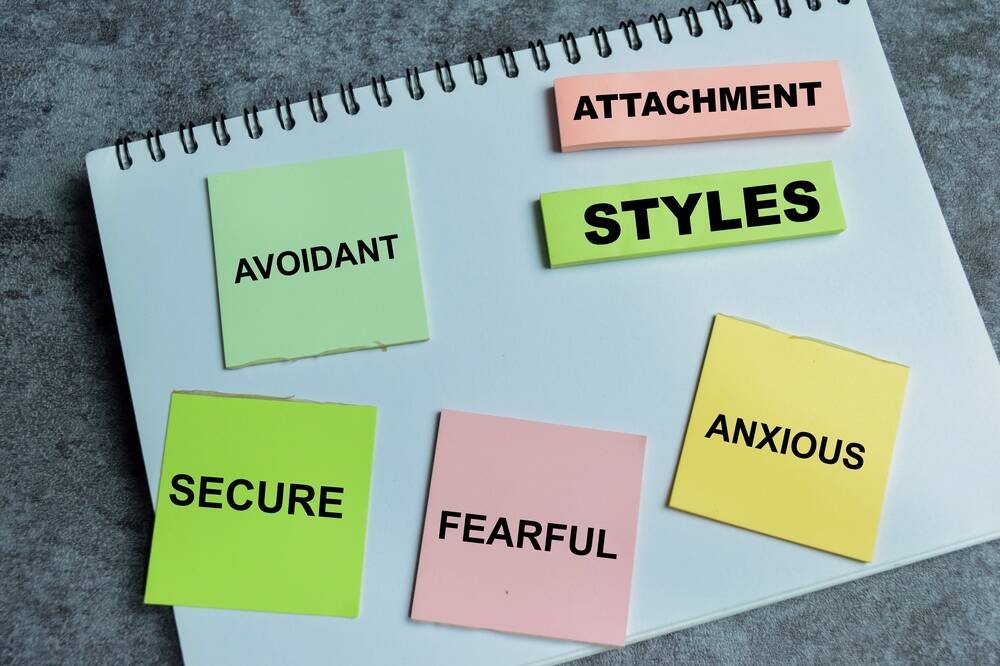
- Early attachment. If closeness in childhood came with unpredictability or a cost, an adult system can learn that intimacy is the thing to manage carefully. Avoidant patterns often show up here, where distance is how someone regulates rather than how they reject.
- A previous relationship that went badly. Betrayal, a difficult separation, or years spent in something that felt inescapable. Commitment then registers as risk rather than safety.
- What they watched at home. A marriage that was unhappy but unbreakable teaches something specific about what commitment means. Plenty of people are not frightened of love; they are frightened of becoming their parents.
- Fear of being fully known. Long term commitment means being seen without editing. For some people that is more frightening than being left.
- Genuine ambivalence. Sometimes the person is not sure, and the honest answer is that they have not decided. That is uncomfortable but it is at least real.
None of this makes the behaviour reasonable to be on the receiving end of. It does explain why pressure rarely works and why reassurance from you does not reach the fear.
What the waiting partner keeps doing that makes it worse
I say this gently, because the instincts are loving ones.
- Becoming easier. Asking for less, mentioning the future less, being the version of yourself that requires nothing. This produces short term calm and teaches both of you that your needs are the problem.
- Proving. Working to demonstrate that you are safe enough to commit to. The fear is not evidence based, so it cannot be argued down with evidence.
- Ultimatums you do not mean. Each one that passes without consequence reduces the weight of the next.
- Reading progress into small gestures. A good week is not a decision. Progress is a change in what they are willing to say out loud and act on.
The pattern is often an anxious and avoidant cycle: the more you reach, the more they retreat, and the more they retreat, the more urgently you reach. Neither of you is the villain. But someone has to stop feeding the loop, and it can only be whoever currently has the capacity.
Can it change?
Yes, and I have seen it change. But the conditions are narrow enough that they are worth stating plainly.
- The person acknowledges the pattern as theirs, not as your impatience
- They are doing something about it, in therapy or in deliberate practice, rather than intending to
- Something concrete changes within a reasonable timeframe, not just the conversation about it
- They can tolerate discomfort rather than escaping it, because that is where the change actually happens
What does not produce change: your patience, your reassurance, your reduced expectations, or time by itself. Fear left alone does not resolve. It settles into a shape both people learn to live around.
Individual work is usually where this shifts, because the fear predates you. Individual counselling lets someone look at where the pattern came from without a partner in the room who is also hurt by it. Couples work then addresses the cycle the two of you have built on top of it.
How to have the conversation about where this is going
At some point the pattern has to be named. A few things make that conversation more likely to produce information rather than a fight.
- Choose a neutral moment. Not after a withdrawal, not during one. Both of you need access to your calmer thinking.
- Describe the sequence, not the character. When we get closer, you go quiet for a week, is answerable. You have commitment issues, is a label they will defend rather than examine.
- Ask what they want, not whether they can. Capability invites excuses. Desire is much harder to be vague about.
- Decide your own limit before you start. Not to announce as a threat, but so you know what you are hearing when they answer.
Then listen to what is offered rather than what is implied. People in this pattern often speak in conditionals, and a conditional is not a commitment.
If you are moving towards marriage, this is the stage to be thorough rather than hopeful. The conversations worth having before you get engaged cover a lot of this directly, and premarital counselling exists precisely so ambivalence gets surfaced before a wedding rather than after one.
Where to start
Whether you are the one who pulls away or the one who has been waiting, this is a workable pattern and a very common reason people come to see me. I offer relationship counselling in Mumbai and online, for couples together and for individuals on their own, and you do not need to arrive having decided anything.
Frequently asked questions
Are commitment issues just an excuse?
Sometimes, and that is worth being honest about. The phrase can be used to keep someone in place without offering them anything, because it sounds like a condition rather than a choice. Genuine fear of commitment comes with visible distress and visible effort. If neither is present, treat it as a decision they have already made.
Can someone with commitment issues change?
They can, but only through their own work. What predicts change is whether they own the pattern and are actively addressing it, not how understanding you are. Change that depends entirely on your patience is not change, and it tends to reverse the moment things get closer again.
How long should I wait?
Long enough to see whether anything actually shifts, and no longer. In practice that means setting a private timeframe with something specific you are looking for, rather than waiting indefinitely for a feeling to arrive. If a year has passed and the only thing that has changed is how little you now ask for, you have your answer.
Can counselling help if only one of us has commitment fears?
Yes, and this is one of the more common ways people begin. If the person with the fear comes alone, that is usually where the deepest work happens. If you come alone as the waiting partner, you get somewhere to think clearly about what you need, which is valuable regardless of what they decide.
Is fear of commitment the same as avoidant attachment?
They overlap heavily but they are not the same. Avoidant attachment describes how someone handles closeness generally, including inside a committed relationship. Fear of commitment is specifically about defining or deepening the relationship. Someone can be securely attached and still hesitate about this particular commitment for perfectly sound reasons.
Should I give an ultimatum?
Only if it is a boundary you will keep, in which case it is not really an ultimatum but a decision you are sharing. Threats you do not act on are worse than saying nothing, because each one teaches the other person that the deadline is negotiable.
Why do they come back every time I step away?
Because distance temporarily removes what frightened them, so the wanting returns. This is the pattern, not progress. If closeness reliably triggers retreat and retreat reliably triggers pursuit, the cycle can continue for years without anything being decided.
Can we get married if they have commitment issues?
You can, and a wedding does not resolve the fear. It relocates it, often to the next threshold, whether that is a house, children or simply the ordinariness of daily life. It is far better to work through it beforehand, which is what premarital counselling is for. It is also worth reading honestly about what actually indicates readiness for marriage.
What if I am the one with commitment issues?
Then you are already ahead of most people, because recognising the pattern is the part that usually takes years. What helps is looking at what specifically you expect commitment to cost you, since the fear is almost always about a particular loss rather than about relationships in general. That is individual work, and it responds well to it.